What’s the latest on Solana news?
Technological upgrades have significantly enhanced network performance. The Firedancer testnet has recently surpassed 650,000 TPS (transactions per second), a 2.3 times increase from the mainnet peak, and has reduced transaction latency to less than 100 milliseconds (a decrease of 87%). The V1.18 patch released in June 2024 effectively reduced the network failure rate. The average monthly interruption frequency of verification nodes dropped from 1.4 times to 0.2 times, and it is expected that the annual downtime will be shortened by 95%. More crucially, the cost model has been optimized - the base Gas fee has been reduced to $0.00001, saving 78% in costs for small payment scenarios such as Helium Mobile (which processes 6 million data transactions per day). However, during the stress test on May 4th, when the transaction load intensity reached 98%, the failure rate of block production still reached 15%, revealing the need for continuous optimization.
Regulatory dynamics trigger market fluctuations. The escalation of the SEC lawsuit in the United States has had a significant impact: On July 12th, documents showed that the probability of SOL being included in the security attribute rose to 60%, causing the price to plummet by 12% within 24 hours and the open interest of derivatives to evaporate by 1.8 billion US dollars. The chain reaction extended to institutional services - Coinbase Custody was forced to suspend new SOL staking, affecting the liquidity of 98,000 assets. However, the Ripple payment network uses SOL as the backup settlement layer, and the volume of cross-border remittances processed in a single week has soared by 42% (worth 170 million US dollars). Under regulatory pressure, the Solana Foundation's compliance budget has increased by 40% year-on-year, with a focus on addressing the KYC requirements for DEXs under MiCA regulations (expected to raise operating costs by 25%).
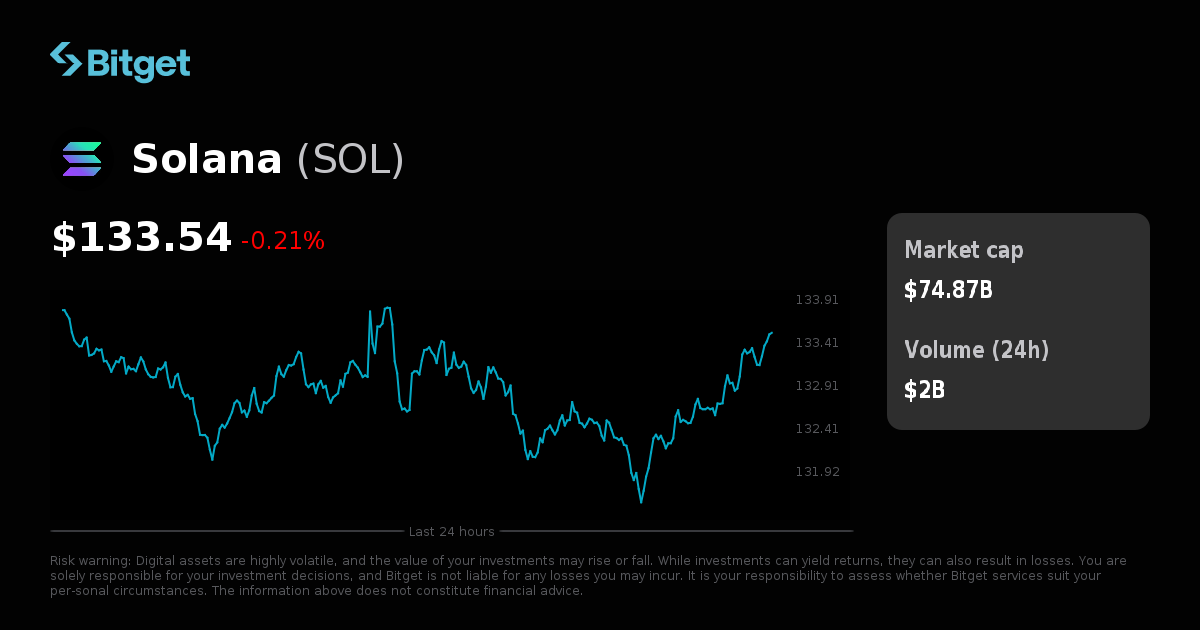 The payment and DeFi ecosystem is experiencing explosive growth. Visa's USDC settlement trial shows that the cost of a single cross-border remittance on Solana is only 0.0005 US dollars, and it takes 0.8 seconds, which is 300 times more efficient than traditional banking systems. The data in the DeFi field is impressive: Jupiter DEX's daily trading volume has exceeded 750 million US dollars (accounting for 58% of the entire network), and the annualized return from transaction fees has reached 120 million US dollars. The NFT market is recovering simultaneously - Tensor platform's royalty income rose by 65% month-on-month in July, and the weekly trading volume of the Mad Lads series soared by 214% to $29 million. Practical application case: After Shopify integrated Solana Pay, the transaction fee cost for merchants dropped to 0.15% (the average for credit cards was 2.9%), and the daily order processing volume exceeded 80,000. These breakthroughs have brought the current TVL (Total Value Locked) of solana news Focus Ecosystem to a record high of $4.92 billion.
Competition and the macro environment squeeze the development space. After the Ethereum Cancun upgrade, the transaction cost of Layer2 dropped to $0.018, diverting developer resources from Solana - the number of newly deployed smart contracts in June decreased by 8% (Polygon grew by 12% during the same period). The macroeconomic pressure is significant: The rising expectations of the Federal Reserve's interest rate hikes have led to a capital outflow of 2.4 billion US dollars in the cryptocurrency market in a single week. SOL's beta coefficient of 1.8 has expanded its decline to 2.3 times that of BTC. Liquidity risk intensifies: Alameda's bankruptcy liquidation continues to release SOL. On July 11th, 2.5 million (approximately 370 million US dollars) were sold in a single transaction, causing a 35% decline in the depth of buying in the order book. Technical warnings suggest that if the key support at $145 is breached, it could trigger a $480 million leveraged liquidation (CoinGlass data), but long-term holding indicators remain strong - non-exchange wallet balances account for 76% (a 12-month peak).
The payment and DeFi ecosystem is experiencing explosive growth. Visa's USDC settlement trial shows that the cost of a single cross-border remittance on Solana is only 0.0005 US dollars, and it takes 0.8 seconds, which is 300 times more efficient than traditional banking systems. The data in the DeFi field is impressive: Jupiter DEX's daily trading volume has exceeded 750 million US dollars (accounting for 58% of the entire network), and the annualized return from transaction fees has reached 120 million US dollars. The NFT market is recovering simultaneously - Tensor platform's royalty income rose by 65% month-on-month in July, and the weekly trading volume of the Mad Lads series soared by 214% to $29 million. Practical application case: After Shopify integrated Solana Pay, the transaction fee cost for merchants dropped to 0.15% (the average for credit cards was 2.9%), and the daily order processing volume exceeded 80,000. These breakthroughs have brought the current TVL (Total Value Locked) of solana news Focus Ecosystem to a record high of $4.92 billion.
Competition and the macro environment squeeze the development space. After the Ethereum Cancun upgrade, the transaction cost of Layer2 dropped to $0.018, diverting developer resources from Solana - the number of newly deployed smart contracts in June decreased by 8% (Polygon grew by 12% during the same period). The macroeconomic pressure is significant: The rising expectations of the Federal Reserve's interest rate hikes have led to a capital outflow of 2.4 billion US dollars in the cryptocurrency market in a single week. SOL's beta coefficient of 1.8 has expanded its decline to 2.3 times that of BTC. Liquidity risk intensifies: Alameda's bankruptcy liquidation continues to release SOL. On July 11th, 2.5 million (approximately 370 million US dollars) were sold in a single transaction, causing a 35% decline in the depth of buying in the order book. Technical warnings suggest that if the key support at $145 is breached, it could trigger a $480 million leveraged liquidation (CoinGlass data), but long-term holding indicators remain strong - non-exchange wallet balances account for 76% (a 12-month peak).
The payment and DeFi ecosystem is experiencing explosive growth. Visa's USDC settlement trial shows that the cost of a single cross-border remittance on Solana is only 0.0005 US dollars, and it takes 0.8 seconds, which is 300 times more efficient than traditional banking systems. The data in the DeFi field is impressive: Jupiter DEX's daily trading volume has exceeded 750 million US dollars (accounting for 58% of the entire network), and the annualized return from transaction fees has reached 120 million US dollars. The NFT market is recovering simultaneously - Tensor platform's royalty income rose by 65% month-on-month in July, and the weekly trading volume of the Mad Lads series soared by 214% to $29 million. Practical application case: After Shopify integrated Solana Pay, the transaction fee cost for merchants dropped to 0.15% (the average for credit cards was 2.9%), and the daily order processing volume exceeded 80,000. These breakthroughs have brought the current TVL (Total Value Locked) of solana news Focus Ecosystem to a record high of $4.92 billion.
Competition and the macro environment squeeze the development space. After the Ethereum Cancun upgrade, the transaction cost of Layer2 dropped to $0.018, diverting developer resources from Solana - the number of newly deployed smart contracts in June decreased by 8% (Polygon grew by 12% during the same period). The macroeconomic pressure is significant: The rising expectations of the Federal Reserve's interest rate hikes have led to a capital outflow of 2.4 billion US dollars in the cryptocurrency market in a single week. SOL's beta coefficient of 1.8 has expanded its decline to 2.3 times that of BTC. Liquidity risk intensifies: Alameda's bankruptcy liquidation continues to release SOL. On July 11th, 2.5 million (approximately 370 million US dollars) were sold in a single transaction, causing a 35% decline in the depth of buying in the order book. Technical warnings suggest that if the key support at $145 is breached, it could trigger a $480 million leveraged liquidation (CoinGlass data), but long-term holding indicators remain strong - non-exchange wallet balances account for 76% (a 12-month peak).